Mesopotamiac. 3500–539 BC
Mesopotamia, one of the cradles of civilization, invented cuneiform writing and the base-60 number system, issued the Code of Hammurabi, and left us the earliest epic, the Epic of Gilgamesh.
THE LONG RIVER OF HISTORY
One timeline, 5,000 years of human civilization
Tap an era above to filter, then scroll down to light up each event
Eight civilizations, each lighting up part of humanity's night sky
Mesopotamia, one of the cradles of civilization, invented cuneiform writing and the base-60 number system, issued the Code of Hammurabi, and left us the earliest epic, the Epic of Gilgamesh.
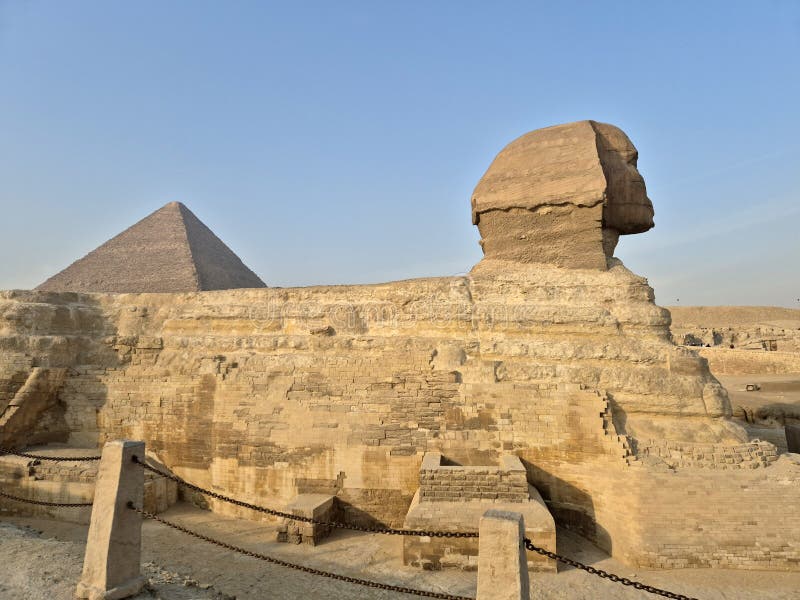 Ancient Egyptc. 3100–332 BC
A gift of the Nile: the pyramids and the Sphinx have stood for thousands of years, while hieroglyphs, the solar calendar and mummies show the glory of the pharaohs and their quest for eternity.
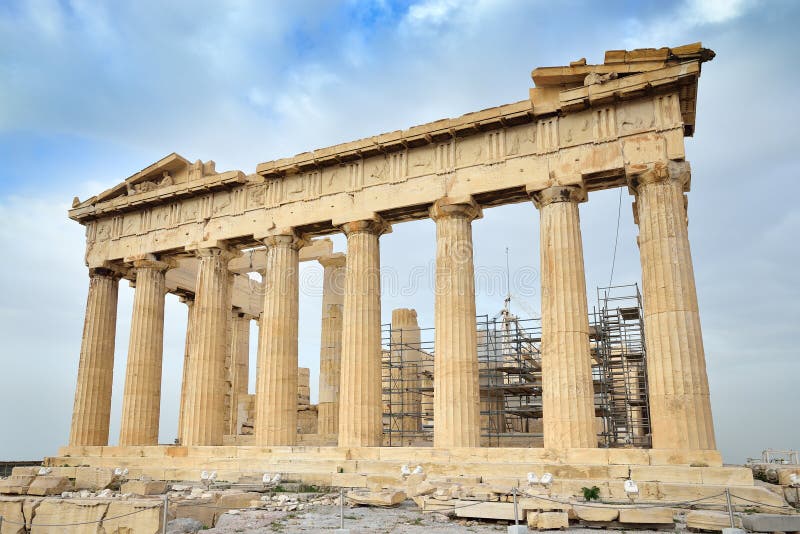 Ancient Greecec. 8th century–146 BC
The source of Western civilization: city-state democracy, the three great Greek philosophers, Homer's epics and the Olympic Games. The Parthenon still looks down over Athens.
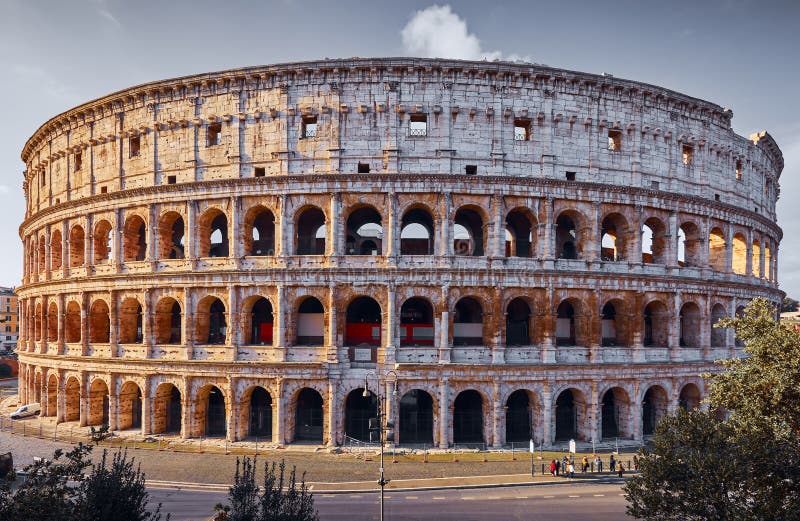 Ancient Rome753 BC–AD 476
From republic to empire, Rome laid the foundations of Europe with its laws, roads, aqueducts and the Latin language. The Colosseum is a symbol of its power and glory.
The ancient cities of the Indus Valley gave rise to Buddhism and Hinduism, and India invented the number "0" and the decimal system, shaping math and ideas around the world.
The Four Great Inventions, a centralized state and Confucian culture have lasted for thousands of years. The Great Wall stretches across the mountains, and the Silk Road linked East and West.
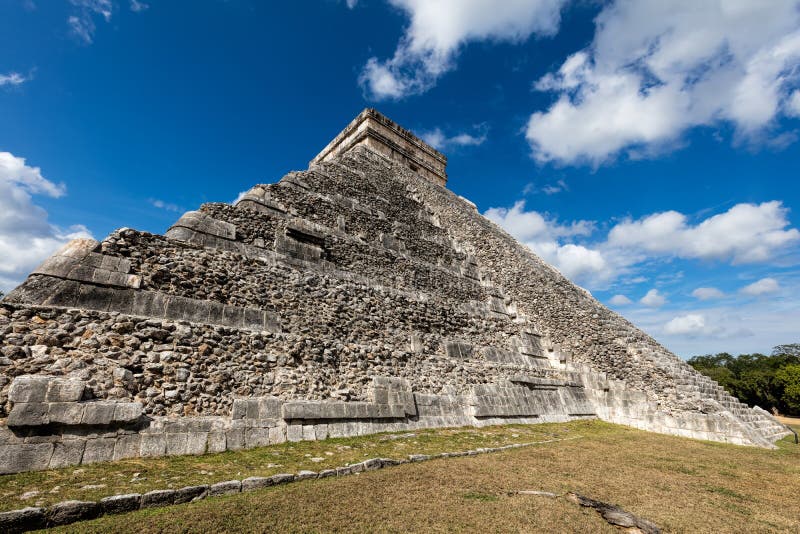 The Mayac. 2000 BC–16th century
A star of wisdom in Central America: the Maya created their own glyph writing and a base-20 number system, with an amazingly accurate calendar. The feathered-serpent pyramid at Chichén Itzá unites astronomy and architecture.
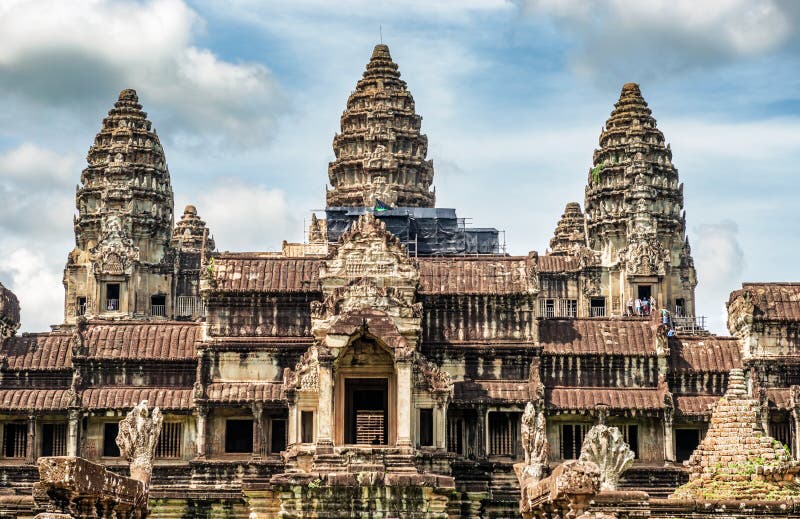 The Khmerc. 9th–15th century
The kings of Angkor built Southeast Asia's most magnificent stone wonder, Angkor Wat, and a vast water system once fed a Khmer Empire of a million people.
Six turning points that reshaped our shared destiny
The ships of Columbus, da Gama and Magellan sailed into the unknown. For the first time the continents were linked by sea, and the world was never the same.
Da Vinci, Michelangelo and the humanists brought art and science back to life, and Europe stepped out of the shadow of the Middle Ages.
Steam engines replaced horses and factories replaced workshops, as people moved from farming into the industrial age.
Global wars caused deep wounds but also led to the United Nations and a new world order, as the world rebuilt from the ruins.
Two superpowers faced off for forty years, yet humans walked on the Moon as the rivalry pushed science and exploration to the limit.
The internet and mobile devices have connected the world into one web, and knowledge flows faster than ever before.